
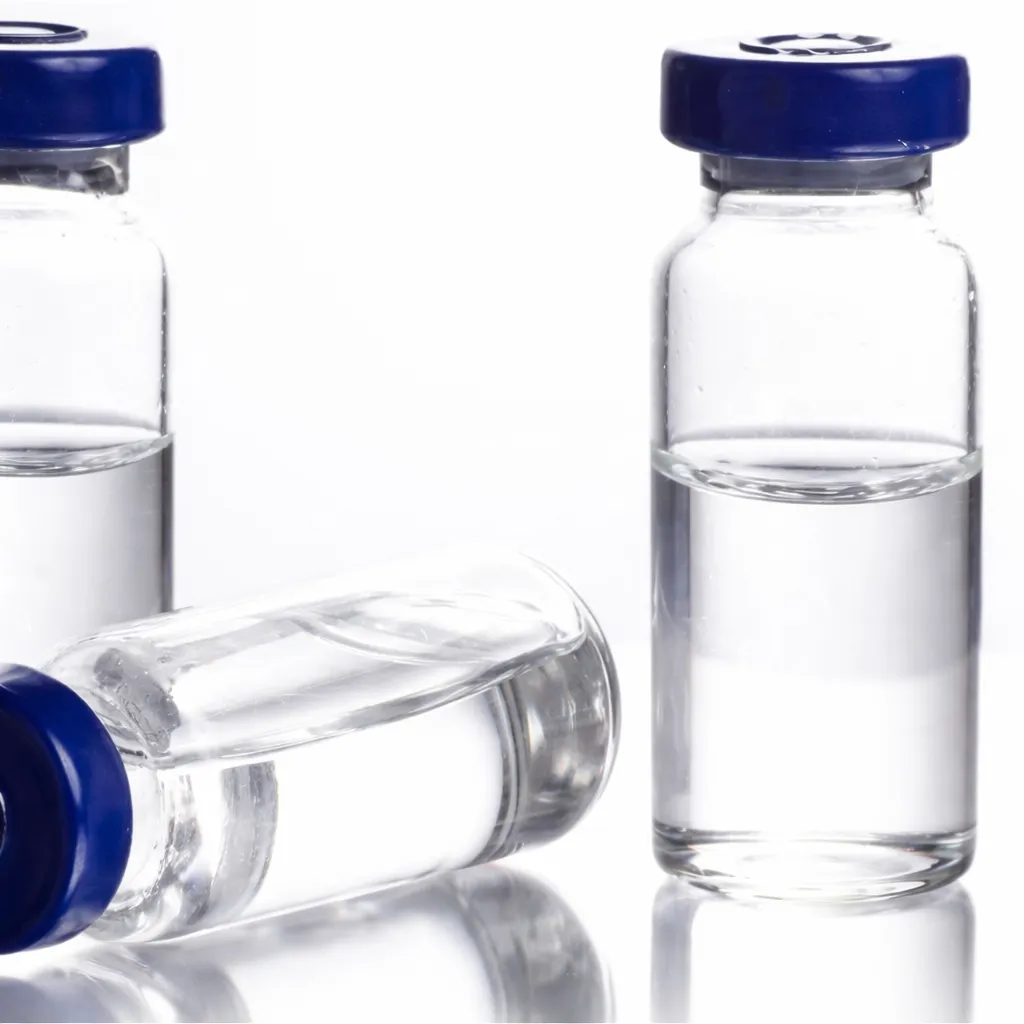

Selecting the right peptide is crucial for achieving accurate and reliable research results. With so many peptide options available, it’s important to understand what factors matter most when making your choice.
1. Define Your Research Goal
Before choosing a peptide, clarify your research objective. Are you studying metabolic pathways, testing hormonal functions, or analyzing cell signaling? Knowing your purpose helps narrow down the right peptide type.
2. Check Purity and Quality Standards
Purity is a critical factor. Always choose peptides that are 98% pure or higher, verified by HPLC and Mass Spectrometry testing. Low-purity peptides can lead to inaccurate results and wasted resources.
3. Choose cGMP-Certified Suppliers
Work only with cGMP-compliant manufacturers to ensure the peptides meet strict quality standards. This guarantees consistent production and reliable research outcomes.
4. Decide Between Lyophilized or Liquid Form
- Lyophilized peptides (freeze-dried) offer better stability and longer shelf life.
- Liquid peptides are ready to use but require strict storage conditions.
Select the format that aligns with your lab’s storage and handling capabilities.
5. Consider Dosage and Packaging Options
Peptides come in different concentrations and vial sizes. Make sure the supplier provides clear labeling and the right dosage for your experimental needs.
6. Review Additional Features
Some peptides come with carrier proteins, additives, or modifications for stability. Evaluate whether these features are suitable for your research application.
Final Thoughts
Choosing the right peptide can make or break your research project. Focus on quality, purity, and supplier credibility to ensure accurate and reproducible results.
Leave a Reply